Gender is an important aspect of identity that shapes how individuals experience the world. In 2026, conversations around gender have become more inclusive, focusing on understanding, equality, and respect. Society is gradually moving toward a broader and more flexible view of gender.
Traditionally, gender was often seen in binary terms—male and female. However, modern perspectives recognize that gender identity is more complex and can exist along a spectrum. This understanding allows individuals to express themselves in ways that align with their true identity.
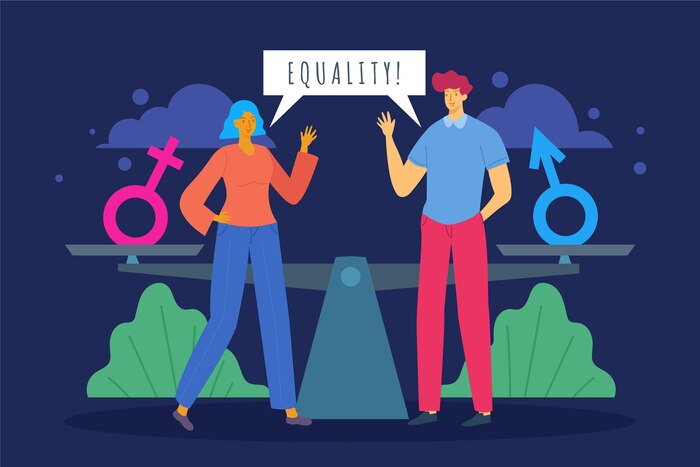
Gender equality remains a key goal in many societies. Equal opportunities in education, employment, and leadership are essential for creating a fair and balanced environment. Progress has been made, but continued efforts are needed to address existing gaps.
Social norms around gender roles are also changing. Traditional expectations are being challenged, allowing individuals to pursue interests and careers without limitations based on gender. This shift promotes freedom and personal growth.
Education plays a crucial role in shaping understanding. Teaching respect, inclusivity, and awareness from an early age helps build a more accepting society. Open discussions encourage learning and reduce misconceptions.
Language is another important aspect. Using inclusive and respectful language supports individuals’ identities and fosters a positive environment. Small changes in communication can make a significant difference.
Workplace diversity and inclusion are gaining importance. Organizations are recognizing the value of diverse perspectives and are working to create inclusive environments. This not only supports individuals but also enhances innovation and productivity.
Media and representation influence how gender is perceived. Diverse and accurate representation helps normalize different identities and promotes acceptance. It also provides role models for individuals.
Challenges still exist, including discrimination and lack of awareness. Addressing these issues requires collective effort from individuals, communities, and institutions.
Respect and empathy are essential in conversations about gender. Understanding different perspectives helps build stronger relationships and communities.
Policies and laws play a role in promoting equality. Legal protections ensure that individuals are treated fairly and have equal rights.
Personal experiences and stories contribute to awareness. Sharing experiences helps others understand the realities of different identities.
Continuous learning is important. As society evolves, staying informed helps individuals adapt and support inclusivity.
In conclusion, understanding gender in 2026 involves recognizing diversity, promoting equality, and encouraging respect. By embracing inclusive perspectives, society can create an environment where everyone feels valued and supported. Progress is ongoing, and awareness is key to building a more inclusive future.