Arts and culture are often associated with galleries, performances, and creative professionals. However, their impact extends far beyond these spaces. In everyday life, arts play a significant role in shaping how we think, feel, and interact with the world.
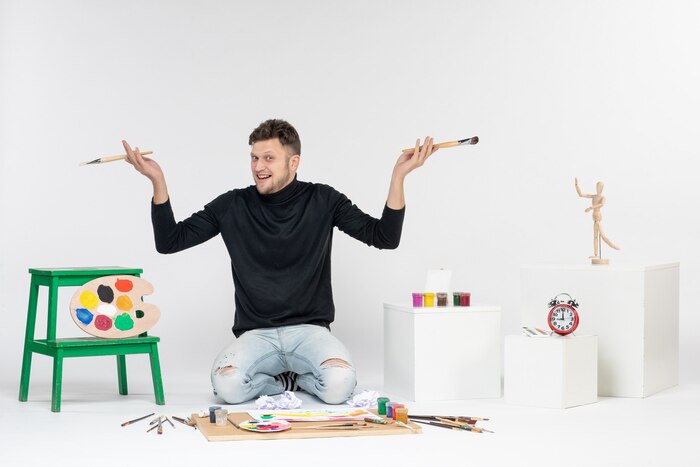
One of the most important benefits of arts is self-expression. Creative activities such as painting, writing, music, or photography allow individuals to express emotions and ideas. This form of expression can be both therapeutic and empowering.
Arts also enhance emotional well-being. Engaging in creative activities helps reduce stress and improve mood. Whether it’s listening to music or creating something new, these experiences provide a sense of relaxation and satisfaction.
Another key aspect is communication. Art can convey messages and emotions that words sometimes cannot. This makes it a powerful tool for connecting with others and sharing experiences.
Creativity also supports problem-solving skills. Thinking creatively encourages individuals to approach challenges from different perspectives. This ability is valuable in both personal and professional contexts.
Cultural experiences enrich our understanding of the world. Exploring different forms of art exposes us to diverse perspectives and traditions. This promotes empathy and appreciation for different cultures.
Arts play an important role in education as well. Creative activities help develop imagination, critical thinking, and collaboration skills. Students who engage in the arts often perform better in other areas as well.
Incorporating arts into daily life does not require special skills or resources. Simple activities such as drawing, writing, or listening to music can have a positive impact. The key is to make time for creativity.
Community involvement in arts can strengthen social connections. Participating in cultural events, workshops, or group activities brings people together and fosters a sense of belonging.
Technology has made arts more accessible than ever. Online platforms provide opportunities to learn, create, and share work with a global audience. This accessibility encourages more people to engage with the arts.
Despite its benefits, arts are sometimes undervalued. Recognizing their importance and supporting creative initiatives can lead to a more balanced and enriched society.
In conclusion, arts and culture are essential components of everyday life. They enhance well-being, support communication, and foster creativity. By embracing the arts, individuals can experience personal growth and contribute to a more vibrant and connected society.