Food plays a central role in our daily lives, influencing not only our physical health but also our energy levels and overall well-being. In 2026, healthy eating is no longer about strict diets—it’s about building sustainable habits that support a balanced lifestyle.
One of the key principles of healthy eating is maintaining a balanced diet. This means including a variety of nutrients such as proteins, carbohydrates, healthy fats, vitamins, and minerals. Each nutrient plays a specific role in supporting the body’s functions.
Portion control is another important factor. Eating the right amount of food helps maintain a healthy weight and prevents overeating. Paying attention to hunger and fullness cues allows for better control over food intake.
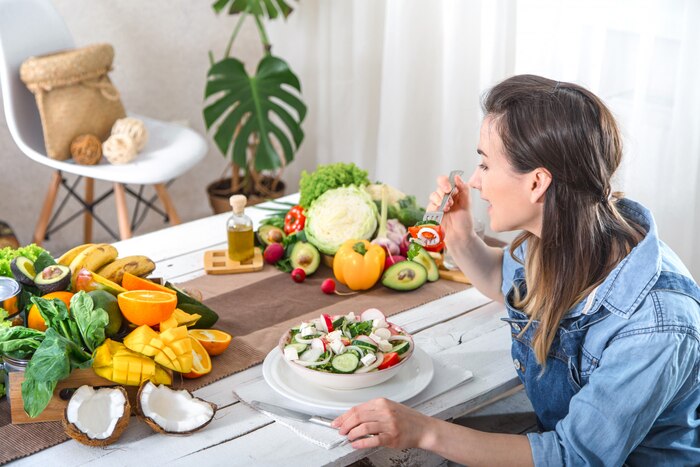
Fresh and natural foods are becoming more popular. Fruits, vegetables, whole grains, and minimally processed items provide essential nutrients without unnecessary additives. Choosing natural options supports long-term health.
Hydration is often overlooked but is crucial for overall health. Drinking enough water helps digestion, improves skin health, and maintains energy levels. Replacing sugary drinks with water or natural alternatives can make a significant difference.
Meal planning is a practical way to maintain healthy habits. Preparing meals in advance reduces the temptation to choose unhealthy options. It also saves time and ensures balanced nutrition.
Mindful eating is another growing trend. This involves paying attention to what you eat, how you eat, and how it makes you feel. Eating slowly and without distractions improves digestion and satisfaction.
Reducing processed foods is important for better health. Foods high in sugar, salt, and unhealthy fats can negatively impact the body. Limiting these items helps maintain overall well-being.
Cultural and personal preferences should also be considered. Healthy eating does not mean giving up your favorite foods. Instead, it’s about finding a balance and making smarter choices.
Cooking at home is a great way to control ingredients and portions. It allows you to experiment with recipes and create meals that suit your taste and nutritional needs.
Technology is also influencing food habits. Apps and tools help track nutrition, plan meals, and provide guidance. These resources make it easier to maintain a healthy diet.
Consistency is key to healthy eating. Small, regular changes are more effective than drastic, short-term diets. Building habits over time leads to lasting results.
Enjoyment is an important part of food. Eating should be a positive experience, not a restriction. Finding healthy foods that you enjoy makes it easier to maintain good habits.
In conclusion, healthy eating in 2026 is about balance, awareness, and sustainability. By focusing on simple habits and making informed choices, you can improve your health and quality of life. Food is not just fuel—it’s an essential part of a healthy lifestyle.