
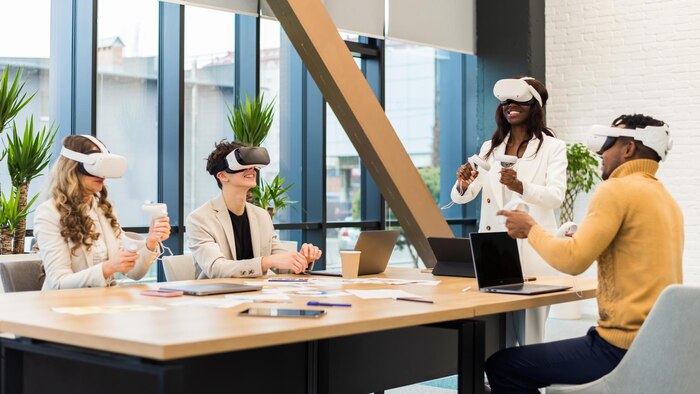
The workplace is undergoing a significant transformation, driven by technology, changing expectations, and global connectivity. In 2026, the future of work is defined by flexibility, digital integration, and evolving skill requirements. Understanding these changes is essential for professionals and organizations alike.
One of the most noticeable shifts is the rise of remote and hybrid work models. Employees are no longer tied to a single location, allowing for greater flexibility and work-life balance. This change has also expanded opportunities, enabling people to work for companies across the world.
Technology continues to play a central role in shaping the future of work. Automation and artificial intelligence are handling repetitive tasks, allowing employees to focus on more strategic and creative activities. This shift requires individuals to develop skills that complement technology.
Digital skills are becoming essential in almost every profession. Understanding tools, platforms, and basic technical concepts is no longer optional. As workplaces become more digital, these skills are critical for efficiency and productivity.
Soft skills are equally important. Communication, adaptability, and emotional intelligence help individuals collaborate effectively in diverse and remote teams. These skills are difficult to automate and remain valuable in any role.
Continuous learning is a key aspect of the modern workplace. As industries evolve, professionals need to update their skills regularly. Online courses, training programs, and self-learning have become common ways to stay relevant.
Workplace culture is also changing. Organizations are focusing more on employee well-being, inclusivity, and flexibility. A positive work environment improves productivity and employee satisfaction.
Freelancing and gig work are becoming more common. Many individuals are choosing flexible work arrangements over traditional full-time roles. This trend provides freedom but also requires self-discipline and financial planning.
Performance is increasingly measured by results rather than hours worked. This shift encourages efficiency and allows employees to manage their time more effectively.
Collaboration tools have improved significantly, making it easier for teams to work together regardless of location. These tools support communication, project management, and productivity.
However, challenges exist. Remote work can lead to isolation, and rapid technological changes can create skill gaps. Addressing these challenges requires proactive strategies and support systems.
Leadership styles are evolving as well. Leaders need to be adaptable, supportive, and focused on results. Managing remote teams requires trust and effective communication.
In conclusion, the future of work in 2026 is dynamic and full of opportunities. By developing the right skills and embracing change, individuals can thrive in this evolving environment. The workplace of the future is not just about where we work—it’s about how we work.