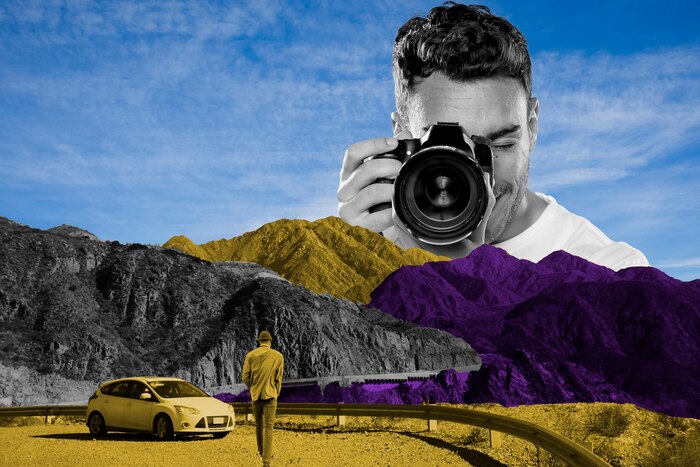
Art and photography have always been powerful forms of expression, but in 2026, they are evolving faster than ever. With the rise of digital tools and platforms, creativity is no longer limited by traditional boundaries. Artists and photographers now have access to technologies that allow them to experiment, innovate, and reach global audiences.
One of the most significant changes is the shift toward digital creation. Software tools and editing platforms enable artists to create detailed and complex works without physical materials. This has made art more accessible and has opened opportunities for individuals who may not have traditional training.
Photography has also undergone a transformation. High-quality cameras are now available on smartphones, allowing almost anyone to capture professional-level images. This accessibility has increased competition but also encouraged more creativity and experimentation.
Visual storytelling has become a central aspect of both art and photography. Instead of simply capturing images, creators focus on conveying emotions, narratives, and perspectives. A single photograph can tell a story, evoke feelings, and create a lasting impact.
Social media platforms have played a major role in shaping modern art and photography. Artists can share their work instantly and connect with audiences worldwide. This exposure provides opportunities for collaboration, feedback, and growth.
Editing and post-processing have become essential skills. Tools for color correction, retouching, and enhancement allow creators to refine their work and achieve their desired vision. However, maintaining authenticity remains important, as overly edited content can lose its original essence.
Another important trend is the fusion of art forms. Photography is often combined with graphic design, illustration, and digital effects to create unique visuals. This blending of styles leads to innovative and eye-catching content.
Sustainability is also influencing creative practices. Many artists are exploring eco-friendly materials and themes related to environmental awareness. This reflects a growing interest in responsible creativity.
Learning and skill development are easier than ever. Online tutorials, courses, and communities provide valuable resources for beginners and professionals alike. Continuous learning helps creators stay updated with trends and techniques.
Originality remains a key factor in standing out. With so much content available, unique perspectives and personal style are essential. Developing a distinct voice helps artists and photographers build recognition.
Challenges exist as well. The abundance of content can make it difficult to gain visibility. Additionally, maintaining consistency and quality requires dedication and effort.
In conclusion, art and photography in 2026 are defined by innovation, accessibility, and creativity. By embracing new tools and focusing on storytelling, creators can produce impactful work that resonates with audiences. The future of visual art lies in the ability to adapt, experiment, and express ideas in meaningful ways.